
As of Wednesday, September 16, 2026, mortgage rates are the highest they have been since January. The Federal Reserve raised its benchmark rate by a quarter point today, the 10-year Treasury yield touched 5 percent for the first time since 2007, and the daily indexes that lenders price from moved back above 7 percent. Here is where things stand, and what it means if you are buying or selling in Southern California this fall.
Where mortgage rates stand on September 16, 2026
The number depends on which index you read, and this week the gap between them tells the story:
- Freddie Mac weekly survey (September 10): the 30-year fixed averaged 6.76%, up from 6.71% the week before and 6.35% a year ago. The 15-year fixed averaged 6.09%.
- Daily indexes (September 16): Mortgage News Daily's 30-year index stood at 7.24% after the Fed's announcement, its highest since mid-January, with 30-year jumbo loans at 7.40%. The low of the past 52 weeks was 5.99%.
- Federal funds rate: raised a quarter point to a range of 3.75% to 4.00%, the Fed's first increase since 2023.
- 10-year Treasury: touched 5.04% on Tuesday, the highest since 2007. Mortgage rates track this yield far more closely than they track the Fed.
The weekly survey lags the daily market, which is why a quote you receive this week may look nothing like the headline number from last Thursday.
Why did mortgage rates jump this week?
Not because of the Fed hike itself. Mortgage rates are set in the bond market, and the bond market moved first. Investors have been selling Treasuries on worries about inflation and rising energy prices, and that selling pushed the 10-year yield to a level not seen in nineteen years before the Fed even met.
What the Fed added on Wednesday was the outlook. Chair Kevin Warsh said plainly that "inflation is too high and has been for too long," and 16 of the 18 officials penciled in at least one more increase this year. Traders read that as borrowing costs staying elevated, and lenders repriced within hours.
What today's rates mean for Southern California buyers
The payment math is real. On a $1,500,000 jumbo loan, the difference between the 5.99 percent low of the past year and this week's 7.24 percent is about $1,240 a month in principal and interest, or roughly $14,900 a year. That is the price of waiting for a market that did not wait.
The other side of the ledger is competition, and here the news is better. The California Association of Realtors' August report, released this morning, shows closed sales in Ventura County down 11.9 percent from a year ago, with homes taking a median of 37 days to sell and 3.9 months of inventory on hand, up from 3.6 last August. Fewer bidders means more room to negotiate on price, repairs and closing costs.
Three things I am telling buyers this week:
- Get three jumbo quotes. Freddie Mac's chief economist noted this week that shopping around "can potentially save them thousands," and that is doubly true above the conforming limit, where private banks price loans off their own balance sheets.
- Ask about a float-down and a seller-paid buydown. A temporary 2-1 buydown funded by the seller lowers your first two years of payments without lowering their price, and more sellers will entertain it now.
- Underwrite the payment at today's rate. If the home is right and the payment works at 7 percent, a future refinance is a bonus. Nobody can promise one, so do not count on it.
What sellers in Ventura and Los Angeles counties should do now
Prices are holding, but the margin for error is gone. Los Angeles County's median reached $946,950 in August, up 1.7 percent from a year ago, and Southern California as a region rose 2.9 percent. Ventura County slipped 1.3 percent to $925,000. Statewide, unsold inventory climbed to 3.7 months, the most in six months, so buyers have more to choose from than they did in spring.
At the top of the market, the buyer who was stretching at 6.5 percent is not stretching at 7.25. More of the buyers who remain pay cash or borrow against a portfolio, and those buyers are patient and price-aware. Homes priced precisely from day one still draw offers. Homes priced for last spring's market sit, and then chase the market down.
If you hold a mortgage from 2020 or 2021 at 3 percent, the rate you give up is now as much a cost of moving as the price you get, something I covered in The Most Expensive Mortgage in America Is the One You Already Have. It is a real cost, and it belongs in the decision. It is not a reason to avoid making one.
Will mortgage rates come down later this year?
The honest answer is that the Fed's own forecast says not soon. With 16 of 18 officials expecting another hike, and price stability the committee's "predominant focus" in Warsh's words, the path of least resistance for rates is sideways to higher through the end of 2026. The 52-week range of 5.99 to 7.24 percent shows how far a single year can swing, in either direction.
For most of my clients, the right question is not where rates go next month but whether the move makes sense at today's numbers. If it does, act on the numbers, structure the financing carefully, and treat any future rate drop as a bonus.
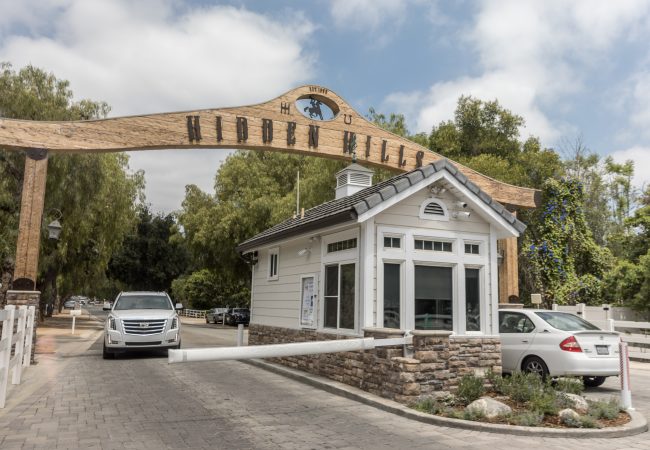
If you are weighing a purchase or a sale anywhere from Westlake Village to Hidden Hills to Malibu, start with the facts about your own home. Get an instant estimate of what your home is worth, read the Seller's Playbook for how to prepare, and then reach out to me directly. I will walk you through the real numbers, not the headlines.